Midjourney vs DALL-E vs Stable Diffusion (2026): Which to Pick
How Midjourney, DALL-E (now inside ChatGPT), and Stable Diffusion differ on quality, text, control, and price, and which one fits your work.

Researched with AI assistance, reviewed and edited by Tapabrata Biswas.
In this article
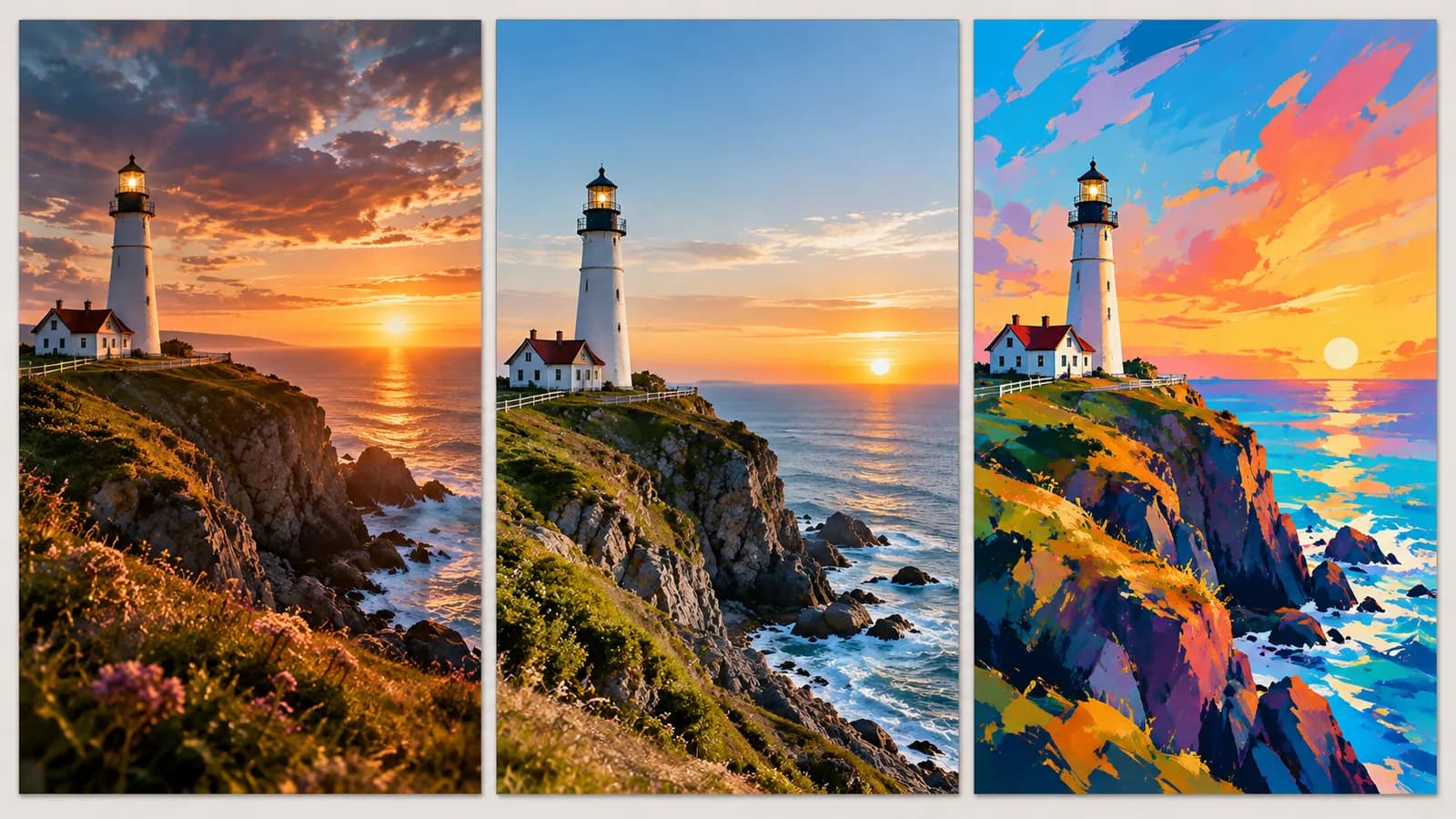
Ask which of Midjourney, DALL-E, and Stable Diffusion is best and you get the wrong debate, because they are not three versions of the same tool. They are three different bets on what matters in an AI image: Midjourney bets on beauty, DALL-E on doing exactly what you asked, and Stable Diffusion on giving you control and charging you nothing. Pick the bet that matches your work and the "best" question answers itself.
One thing to clear up first, because most comparisons get it wrong. DALL-E as a standalone product no longer exists. OpenAI retired the DALL-E name in late 2025 and folded its image generation into ChatGPT as a native model called GPT Image, part of DALL-E's move into ChatGPT and other tools being absorbed into bigger platforms. So in this comparison, DALL-E means "image generation inside ChatGPT," which is where that capability lives now. These notes come from published specs, each tool's pricing pages, and independent testing rather than our own lab benchmarks, and this space moves fast, so treat the details as a September 2026 snapshot.
What each one is really built for
Midjourney is built for aesthetics. It tends to add cinematic lighting, strong composition, and a finished look even to a plain prompt, which is why it is the favourite of designers and artists who want something that looks professional without much coaxing. It is a paid, closed tool, now reachable through a web app and mobile apps as well as its original Discord.
DALL-E, now ChatGPT's GPT Image, is built for accessibility and accuracy. Its strength is doing what you actually asked, following a detailed, multi-part brief and putting correct text into an image, all through plain conversation. Because it lives inside ChatGPT, you can write the copy and generate the matching picture in the same chat, which is the easiest workflow of the three.
Stable Diffusion is built for control. It is open-weight, so you can run it on your own machine, fine-tune it on your own product photos or style, and generate as many images as you like with no per-image fee. That freedom is the whole point, and the price of it is setup effort and a decent graphics card.
Image quality and style
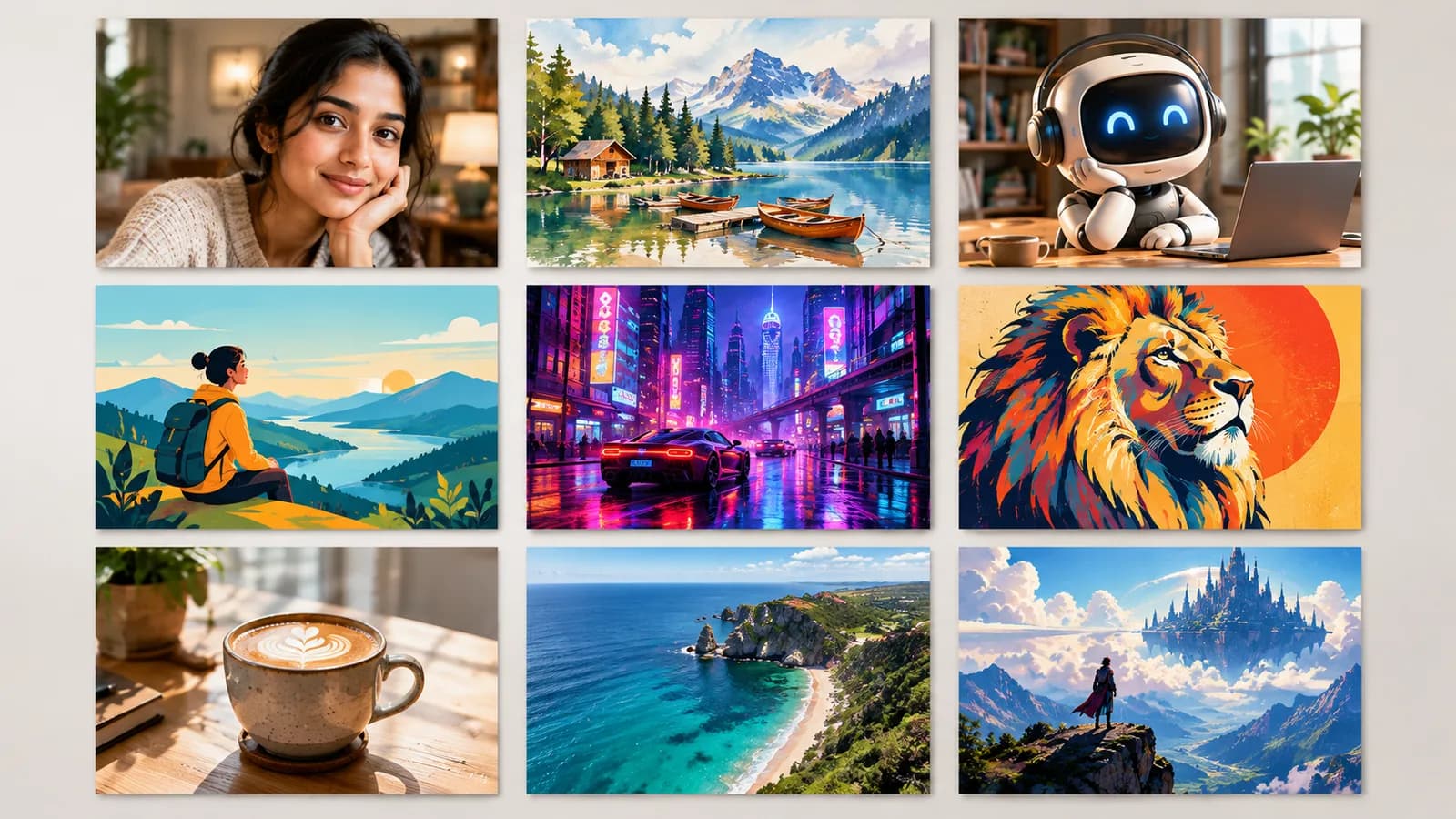
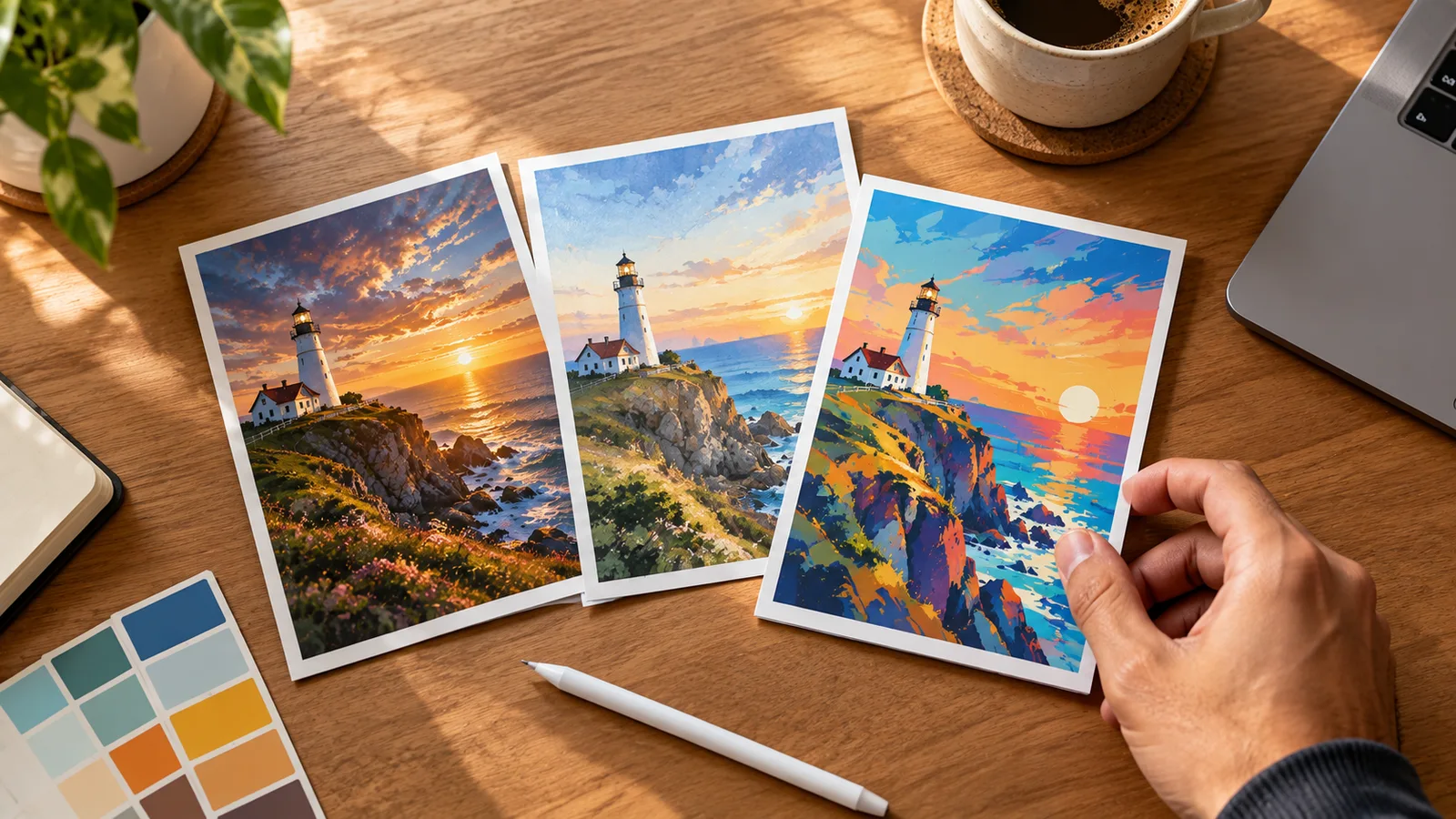
On pure aesthetics, Midjourney is still the one to beat. Independent testing and most side-by-side comparisons put it ahead for artistic, creative imagery, because its default output simply looks more polished and it forgives a vague prompt. If your goal is a striking image and you do not want to fight the tool for it, Midjourney gets you there fastest.
ChatGPT's image generation produces clean, competent images, but the look is more generic and literal than Midjourney's signature style. That is the flip side of its accuracy, it gives you what you described rather than an interpretation with flair. Stable Diffusion sits anywhere on that scale you want it to, because the result depends entirely on the model and the fine-tuning you choose, from photorealistic to highly stylised. It has the highest ceiling and the steepest learning curve.
Prompt accuracy and text
This is where the ranking flips. ChatGPT's image generation is the best of the three at following a complex brief and, crucially, at rendering readable text. Getting a model to spell words correctly inside an image used to be the hardest problem in the field, and the current ChatGPT image model pushed text accuracy to near-perfect, per independent testing. If your image needs a headline, a sign, a label, or a logo with real words, this is the safe pick.
Midjourney, for all its beauty, is more forgiving than faithful, it will make something gorgeous that may not match every detail you specified, and its text has historically been weak. Stable Diffusion's accuracy depends on the model, with newer versions much improved but still behind ChatGPT on text out of the box.
| Dimension | Midjourney | ChatGPT (ex-DALL-E) | Stable Diffusion |
|---|---|---|---|
| Best at | Polished, artistic images | Following the brief and text | Control and customisation |
| Default image quality | Highest, cinematic out of the box | Clean but more generic | Depends on the model and tuning |
| Text inside images | Historically weak | Strongest, near-perfect spelling | Varies by model |
| Control and fine-tuning | Limited, closed system | Limited, closed system | Full, open-weight and local |
| Ease of use | Easy, forgiving prompts | Easiest, plain conversation | Hardest, needs setup |
| Pricing (2026) | Paid only, from about $10/month | Free tier, plus ChatGPT Plus or API | Free to run yourself |
| Runs offline | No | No | Yes |
| Commercial use | Yes, on paid plans | Yes, under OpenAI's terms | Yes, under the Stability licence (under $1M revenue) |
Midjourney
- Best at
- Polished, artistic images
- Default image quality
- Highest, cinematic out of the box
- Text inside images
- Historically weak
- Control and fine-tuning
- Limited, closed system
- Ease of use
- Easy, forgiving prompts
- Pricing (2026)
- Paid only, from about $10/month
- Runs offline
- No
- Commercial use
- Yes, on paid plans
ChatGPT (ex-DALL-E)
- Best at
- Following the brief and text
- Default image quality
- Clean but more generic
- Text inside images
- Strongest, near-perfect spelling
- Control and fine-tuning
- Limited, closed system
- Ease of use
- Easiest, plain conversation
- Pricing (2026)
- Free tier, plus ChatGPT Plus or API
- Runs offline
- No
- Commercial use
- Yes, under OpenAI's terms
Stable Diffusion
- Best at
- Control and customisation
- Default image quality
- Depends on the model and tuning
- Text inside images
- Varies by model
- Control and fine-tuning
- Full, open-weight and local
- Ease of use
- Hardest, needs setup
- Pricing (2026)
- Free to run yourself
- Runs offline
- Yes
- Commercial use
- Yes, under the Stability licence (under $1M revenue)
Control and customization
If you need the model to do something specific and repeatable, Stable Diffusion is in a class of its own here. Because it is open, you can fine-tune it on your own images, add custom styles, control the generation with extra tools, and build it into your own software, none of which the closed tools allow. A small business that wants every image to match its exact product or brand look will get further with a tuned Stable Diffusion than with either closed option.
Midjourney and ChatGPT are closed systems. You steer them with prompts and their built-in settings, and that is as far as it goes. For most people that is fine, and it is a large part of why they are easier to use. But if control is the priority, the open model is the only real answer.
Pricing and free access
The cost story is the clearest practical difference. Midjourney is paid only, with plans starting around ten dollars a month and rising through higher tiers for more usage and faster generation, and there is no permanent free tier. ChatGPT gives you a limited amount of image generation on its free plan, with more on the paid ChatGPT plans and through the API, so you can try it for nothing. Stable Diffusion is free if you run it yourself, and only costs money if you use a hosted service to skip the setup.
So the budget answer is straightforward. If you will not pay anything, Stable Diffusion run locally or ChatGPT's free tier are your options. If you want the best-looking result and will pay for it, Midjourney earns its fee. For the wider picture of what is free right now, the best free image generators covers the full field including newer names.
Which should you choose
Match the tool to the job. Choose Midjourney if you want the most beautiful result with the least effort and you are doing creative or artistic work. Choose ChatGPT's image generation if you want to work in plain language, need the image to follow a precise brief, or need accurate text inside it, and if starting free matters. Choose Stable Diffusion if you want full control, plan to fine-tune on your own images, generate at high volume, or refuse to pay a subscription, and you have the technical comfort to set it up.
Many people end up using two: a polished generator like Midjourney or ChatGPT for everyday images, and a tuned Stable Diffusion when a job needs an exact, repeatable look. There is no single winner here, only the right tool for what you are making.
What this post does not cover
This is a comparison of documented features, pricing, and independent testing, not a hands-on lab review, and we do not benchmark image quality ourselves. Versions and prices in this space change quickly, so treat the specifics as a September 2026 snapshot and check each tool's current pages before you commit. This also is not a prompt-writing tutorial, for that how to use Nano Banana is a practical starting point on one strong model, and the best free image generators covers the free options beyond these three.
Sources
- Midjourney, Midjourney (versions, access, and pricing tiers)
- Images in the API and ChatGPT, OpenAI (the GPT Image model that replaced DALL-E)
- Stable Diffusion and the community license, Stability AI (open-weight models and the under-$1M-revenue commercial terms)
- AI image generator comparisons, AI Comparison (independent testing on quality, prompt adherence, and text accuracy)
Frequently asked questions

Written by
Tapabrata Biswas
Tech Researcher
I test AI productivity tools and research home-automation gear the way most people use them. Not in a lab, but on an ordinary desk with an ordinary internet connection. The only test that matters: does it save you time?
Share the Post with Your Besties
Get the plain-English tech brief
One email a week on AI tools and smart-home tech. No jargon, no hype.