Best Free AI Image Generators (2026): Picks by What You Need
The best free AI image generators in 2026, compared by free-tier limits, commercial-use rights, and what each does best, plus the licensing traps to avoid.

Researched with AI assistance, reviewed and edited by Tapabrata Biswas.
In this article
Search for the best free AI image generator and you get two dozen listicles that all rank the same tools and skip the one thing that can get you in trouble: whether you are actually allowed to use the image. This guide fixes that. It compares the genuinely good free tools by the things that decide the choice, the real free-tier limits, the commercial-use rights, and what each one is actually best at.
A quick note on scope. These picks come from published specs, each tool's stated terms, and independent testing, not our own lab benchmarks, and free tiers change often, so the details here are current as of September 2026 and worth a quick recheck before you commit. If you want to get more out of one specific model rather than compare them, how to use Nano Banana goes deep on Google's, and our Nano Banana prompt gallery has copy-ready ideas.
What "free" really means for AI image generators
The most important thing to understand is that a free AI image is not automatically a free-to-use AI image. The right to use a picture commercially comes from the tool's terms of service, not from the fact that the generator cost you nothing. This is where people get caught out, using a free image in a client project or a product listing when the licence never allowed it.
The traps are specific and worth knowing. Microsoft Designer's free output is licensed for personal, non-commercial use only, so it is a poor pick for anything you sell. Leonardo AI's free plan is royalty-free but the platform keeps the right to use and reproduce your free-plan images, and some read its terms as retaining IP. Ideogram allows commercial use, but on the free plan your images are public by default, which is fine for a logo idea and not fine for a confidential brand concept. Google and OpenAI generally allow commercial use of what you make, subject to their usage policies, but those policies are the thing to read, not the marketing page.
Adobe Firefly is the one built specifically to be commercially safe. It is trained on licensed Adobe Stock and public-domain images rather than a scrape of the open web, which is why businesses reach for it when provenance matters. The catch worth knowing is that Adobe's legal indemnification, its promise to stand behind you if a generated image draws a claim, applies only to paid subscribers, not the free tier. So Firefly free is safer by design but not legally insured.
The best free AI image generators, and what each is best at
Google Gemini (Nano Banana) is the strongest free all-rounder. Its Nano Banana model is genuinely good at real-world accuracy, landmarks and places tend to look right, and it handles text inside images well across several languages. The free allowance runs at roughly 20 images a day at up to 1K resolution as of late 2026. If you want one tool for most jobs, this is the default.
ChatGPT is the easiest starting point. Its built-in image generation, which absorbed the old DALL-E, works through plain conversation, so you can ask for an image and then refine it in normal language without learning prompt syntax. The free cap is small, a few images in a rolling day, but for beginners and quick edits it is the friendliest option.
Ideogram is the specialist to reach for when the image needs words. Logos, posters, signs, and anything with a headline come out with far more accurate spelling than most models manage. The free plan is modest, about ten slow generations a week, so it is a targeted tool rather than a daily workhorse.
Adobe Firefly is the pick when the image is for commercial work and you care about where the training data came from. The free credit allowance is small and monthly, but the licensed-training provenance is the reason to use it.
Microsoft Designer, built on OpenAI's image models, is fine for quick casual images with 15 fast generations a day and an unlimited slower queue after that. Just remember the free output is personal-use only.
Leonardo AI suits game art, character work, and stylised assets, with 150 daily tokens giving you roughly 25 to 37 images. Read its free-tier rights carefully before using anything commercially.
For people who want no caps and full control, Stable Diffusion 3.5 and FLUX are open-weight models you run yourself or through a host like Hugging Face. There is no per-image limit, and the commercial terms are generous for smaller users, but they need more setup and a decent computer. Canva's Magic Media is worth a mention too if you already design in Canva, since it puts generation right inside the layout.
| Tool | Free tier (2026) | Commercial use | Watermark | Best for |
|---|---|---|---|---|
| Google Gemini (Nano Banana) | Around 20 images a day, up to 1K | Check Google's terms | Invisible SynthID plus C2PA | Real-world accuracy and text in images |
| ChatGPT (GPT Image) | A few images a day | Allowed under OpenAI's terms | None visible | Conversational editing, beginners |
| Ideogram | About 10 slow generations a week | Allowed, but images are public by default | None | Text, logos, and typography in images |
| Adobe Firefly | A small monthly credit allowance | Allowed, but IP indemnity is paid-only | None | Commercially safer work (licensed training data) |
| Microsoft Designer / Copilot | 15 fast images a day, then slow queue | Personal use only | Visible on some outputs | Quick, casual images |
| Leonardo AI | 150 tokens a day (around 25 to 37 images) | Restricted on free; platform keeps rights | None | Game art and consistent characters |
| Stable Diffusion 3.5 (local) | Unlimited, runs on your own PC | Yes, under the Stability Community License (under $1M revenue) | None | Full local control, no caps |
| FLUX (Schnell / Klein) | Free via Hugging Face and similar hosts | Apache 2.0 on Schnell and Klein; dev variant is non-commercial | Depends on the host | Open-weight photorealism |
| Canva (Magic Media) | Around 20 credits a month | Allowed within Canva's terms | None | Images inside a design |
Free tier (2026)
- Google Gemini (Nano Banana)
- Around 20 images a day, up to 1K
- ChatGPT (GPT Image)
- A few images a day
- Ideogram
- About 10 slow generations a week
- Adobe Firefly
- A small monthly credit allowance
- Microsoft Designer / Copilot
- 15 fast images a day, then slow queue
- Leonardo AI
- 150 tokens a day (around 25 to 37 images)
- Stable Diffusion 3.5 (local)
- Unlimited, runs on your own PC
- FLUX (Schnell / Klein)
- Free via Hugging Face and similar hosts
- Canva (Magic Media)
- Around 20 credits a month
Commercial use
- Google Gemini (Nano Banana)
- Check Google's terms
- ChatGPT (GPT Image)
- Allowed under OpenAI's terms
- Ideogram
- Allowed, but images are public by default
- Adobe Firefly
- Allowed, but IP indemnity is paid-only
- Microsoft Designer / Copilot
- Personal use only
- Leonardo AI
- Restricted on free; platform keeps rights
- Stable Diffusion 3.5 (local)
- Yes, under the Stability Community License (under $1M revenue)
- FLUX (Schnell / Klein)
- Apache 2.0 on Schnell and Klein; dev variant is non-commercial
- Canva (Magic Media)
- Allowed within Canva's terms
Watermark
- Google Gemini (Nano Banana)
- Invisible SynthID plus C2PA
- ChatGPT (GPT Image)
- None visible
- Ideogram
- None
- Adobe Firefly
- None
- Microsoft Designer / Copilot
- Visible on some outputs
- Leonardo AI
- None
- Stable Diffusion 3.5 (local)
- None
- FLUX (Schnell / Klein)
- Depends on the host
- Canva (Magic Media)
- None
Best for
- Google Gemini (Nano Banana)
- Real-world accuracy and text in images
- ChatGPT (GPT Image)
- Conversational editing, beginners
- Ideogram
- Text, logos, and typography in images
- Adobe Firefly
- Commercially safer work (licensed training data)
- Microsoft Designer / Copilot
- Quick, casual images
- Leonardo AI
- Game art and consistent characters
- Stable Diffusion 3.5 (local)
- Full local control, no caps
- FLUX (Schnell / Klein)
- Open-weight photorealism
- Canva (Magic Media)
- Images inside a design
How to choose, by what you need
Pick by the job, not by a ranking. If you want one tool for most things, start with Gemini and Nano Banana. If you are new to this and want to talk your way to an image, use ChatGPT. If the picture needs readable text or a logo, go to Ideogram. If it is going on a product, an ad, or a client deliverable, use Adobe Firefly and read the licence. If you generate at high volume or want total control, run Stable Diffusion or FLUX yourself. And if you live inside Canva already, Magic Media saves you a round trip.
Most people are best served by keeping two of these, a strong all-rounder like Gemini for daily work and one specialist, usually Ideogram for text or Firefly for commercial safety.
Watermarks and the provenance you cannot see
A clean-looking image is not always an unmarked one. The visible watermark has mostly gone from free tiers, but invisible provenance data has quietly replaced it. Google's Gemini images carry a SynthID watermark and C2PA content credentials that identify them as AI-generated even when nothing shows on the picture. Craiyon and some Microsoft outputs still stamp a visible mark.
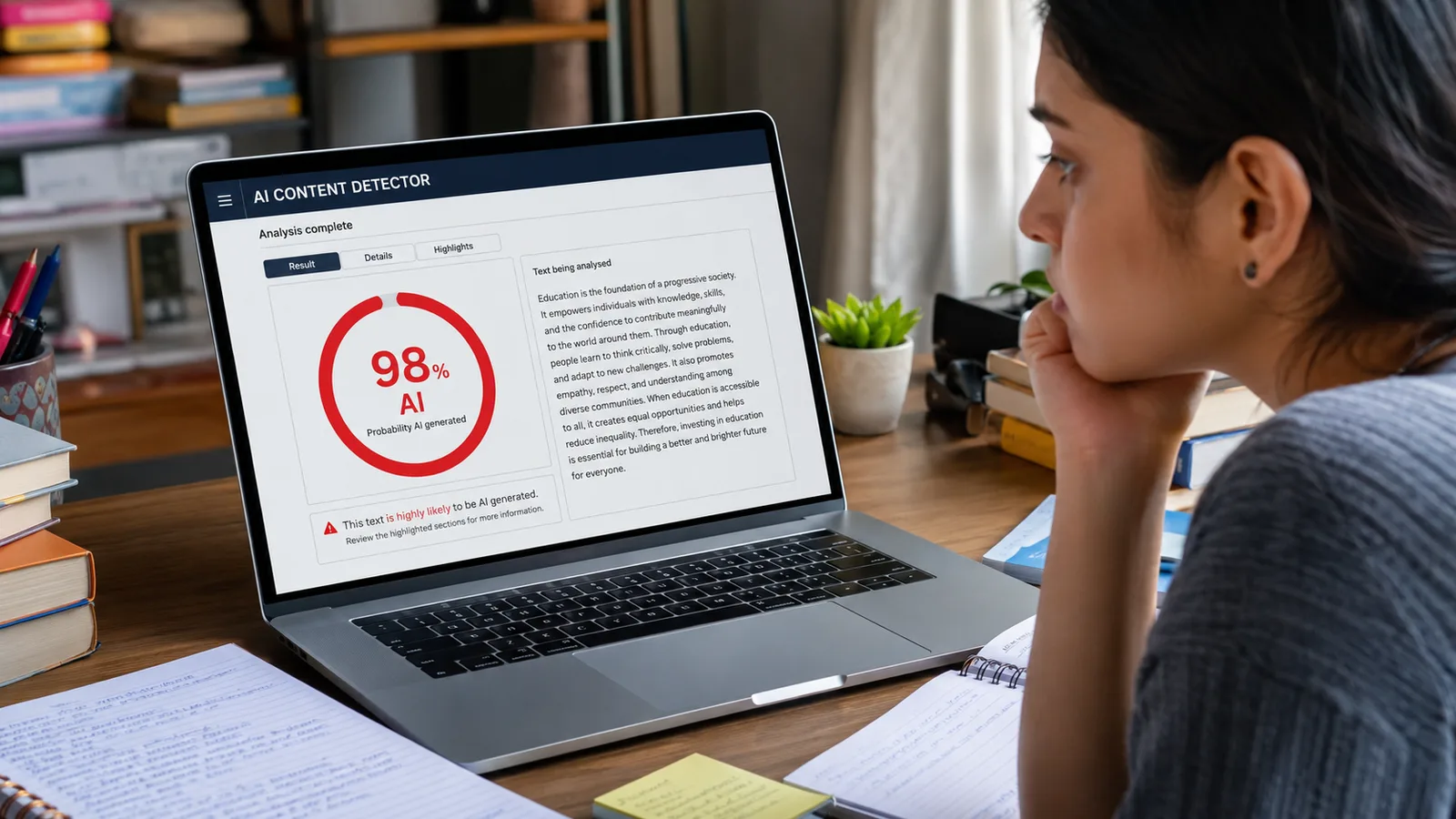
This matters for two reasons. If you need an image that will not be flagged as AI by a detector or a platform, know that some tools tag their output at a level you cannot see or remove. And if you care about honesty, that provenance data is a feature, not a bug, since it is how a viewer or a publisher can later confirm what was machine-made. Either way, do not assume no visible watermark means no watermark at all.
Where the free tiers fall short
Free is real here, but it has edges. The daily caps mean free tiers suit occasional and personal use far better than steady production, and if you are making dozens of images a day you will hit a wall or a slow queue. Free plans also tend to lag the paid ones on resolution and the newest models, and the commercial and indemnity gaps covered above are the real reason a business eventually pays. The honest summary is that the free tiers are excellent for learning, personal projects, and light commercial use where you have checked the licence, and a paid plan earns its cost once image-making becomes part of how you work rather than an occasional task.
What this post does not cover
This is a guide to choosing a free tool, not a prompt-writing tutorial or a hands-on lab review, and we do not benchmark image quality ourselves, the quality notes here reflect published specs and independent testing. Licences and free-tier limits move quickly in this space, so treat the specifics as a September 2026 snapshot and confirm the current terms on each tool before commercial use. For getting better results out of a specific model, how to use Nano Banana and the prompt gallery are the practical next steps, and the AI tools worth using now covers the wider kit.
Sources
- Best free AI image generators, DataCamp (free-tier limits, watermark, and commercial-use comparison)
- Adobe Firefly, Adobe (licensed and public-domain training data, and the paid-only indemnification)
- SynthID, Google DeepMind (the invisible provenance watermark on Gemini images)
- Stable Diffusion Community License, Stability AI (the under-$1M-revenue commercial terms for local models)
Frequently asked questions

Written by
Tapabrata Biswas
Tech Researcher
I test AI productivity tools and research home-automation gear the way most people use them. Not in a lab, but on an ordinary desk with an ordinary internet connection. The only test that matters: does it save you time?
Share the Post with Your Besties
Get the plain-English tech brief
One email a week on AI tools and smart-home tech. No jargon, no hype.