
Perplexity vs ChatGPT in 2026: Which Should You Use?
Perplexity vs ChatGPT in 2026, honestly compared: research, citations, privacy, writing, browsers, free tiers, and price, with a clear pick for each user.

Researched with AI assistance, reviewed and edited by Tapabrata Biswas.
In this article
- 01The quick verdict
- 02Perplexity vs ChatGPT at a glance
- 03The shift that changed the question
- 04Research, speed, and sources
- 05Can you trust the citations?
- 06Writing, reasoning, and creating
- 07Privacy and your data
- 08The browsers and the agentic turn
- 09Price, free tiers, and ads
- 10Who should pick which
- 11A few honest caveats
- 12What this comparison does not cover
- 13Sources
60 percent. That's how often AI search engines get their citations wrong, according to a Columbia Journalism Review study of eight of them. The least-bad of the bunch was Perplexity; among the worse at linking to the right source was ChatGPT. That tension runs through this whole comparison, because in 2026 the old way of describing these two, a search engine versus a chatbot, no longer fits. ChatGPT searches the web now, and Perplexity does far more than search. The real difference is quieter: Perplexity shows you its sources, while ChatGPT shows you its confidence.
A note on how we compare. This draws on each tool's documented features, current public pricing, and independent evaluations as of June 2026, not on our own lab testing, and we earn no commission either way. These tools change almost monthly, so check the official pages before you pay.
The quick verdict
If you want the answer without the detail:
- Pick Perplexity if your work is finding and checking facts: research, news, study, anything where you need current answers with sources you can open.
- Pick ChatGPT if your work is creating and thinking: writing, brainstorming, coding, images, voice, or you just want one capable tool for everything.
- Use both if your days span both, which is why a lot of professionals pay for each: Perplexity to gather and verify, ChatGPT to write and build.
Perplexity vs ChatGPT at a glance
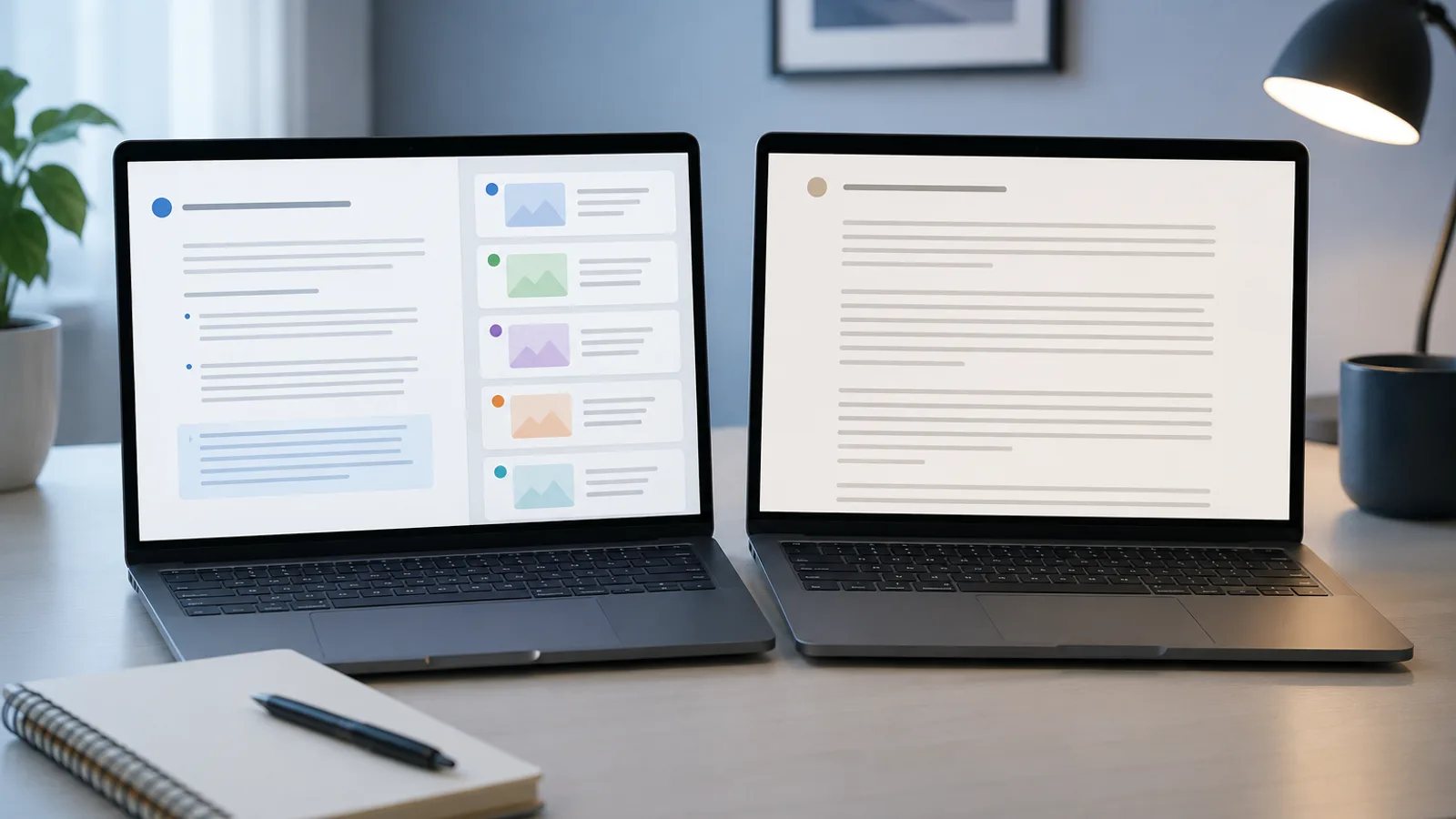
These two are easy to confuse because both now answer questions with web results. Here's where they actually differ, as of June 2026.
| Dimension | Perplexity | ChatGPT |
|---|---|---|
| Best at | Research with live sources | Doing almost everything well |
| Current facts | Strongest, near real-time | Good, web search built in |
| Citations | Footnoted by default | Often unclear or missing |
| Writing and reasoning | Functional | Much stronger |
| Images and voice | Limited | Strong image generation and voice |
| Privacy default | No training on your data | Trains on your chats unless you opt out |
| Browser | Comet, free on every platform | Atlas, Mac only for now |
| Paid price | $20/mo Pro | $20/mo Plus ($8 Go tier) |
The shift that changed the question
For years the pitch was simple: Perplexity is an answer engine that searches, ChatGPT is a chatbot that writes. That line stopped being true. ChatGPT can browse the web and pull in current information, and Perplexity has grown into a research platform with its own browser, file uploads, and image tools. So the question isn't "which one searches" anymore, because they both do. It's narrower: when the facts have to be right and sourced, which one do you trust, and when you need to make something, which one do you reach for. The rest of this answers exactly that.
Research, speed, and sources
This is Perplexity's home ground, and it still wins it. Ask a current question and it answers in seconds with a tidy set of numbered sources you can click, where ChatGPT tends to take longer and surface fewer. On facts that move, like prices, news, or recent events, Perplexity tends to be more accurate, partly because its web index refreshes closer to real time. Its Deep Research mode is built for the fast briefing: a sourced overview of a topic in under a minute, pulling together a wide spread of links. ChatGPT's own Deep Research is slower, a few minutes, but it returns something more like a polished analyst's report. The split is clean: Perplexity for gathering and checking, ChatGPT when you need the findings written up. For a deeper look at Perplexity on its own, see our Perplexity review.
Can you trust the citations?
Here's the honest part both sides need to hear. Perplexity is the better-sourced of the two by a clear margin, tying far more of its claims to a specific link. But better is not the same as reliable. That Columbia Journalism Review study found every major AI search tool cited sources incorrectly a lot, inventing headlines, linking to broken or syndicated pages, and stating wrong answers with total confidence. Perplexity came out best, and it still got citations wrong more than a third of the time. ChatGPT did worse. There's also an unresolved cloud over Perplexity specifically: several publishers have sued it over how it gathers content, which we cover in the Perplexity review. The practical takeaway is the same for both: open the sources and confirm anything that matters, rather than trusting the confident summary on top.
Writing, reasoning, and creating
When the task is to make something rather than find something, ChatGPT pulls clearly ahead. It writes better, holds a longer and more structured argument, and handles the messy, multi-step thinking that turns research into a finished draft, an email, or working code. It also does the things Perplexity barely touches: strong image generation and a genuinely good voice mode you can talk to. One moving part to know is video, where OpenAI is winding its Sora app down in 2026, so neither tool is the obvious pick there now. For everyday creating, though, this isn't close. Perplexity can write, but it's a research tool that happens to type; ChatGPT is a maker. If you want to get more out of it, our guide on how to use ChatGPT covers the basics, and our ChatGPT vs Claude and ChatGPT vs Gemini comparisons weigh it against the other big assistants.
Privacy and your data
This one quietly favours Perplexity, and it's worth knowing. By default, Perplexity doesn't use your questions to train its models, and on its paid tiers that's the standard. ChatGPT, by contrast, may use your free and Plus conversations to improve its models unless you turn that off in Settings under Data Controls. Both offer no-training options on business plans, and either way the smart habit is to keep genuinely sensitive details out of any chatbot. But if default privacy matters to you, Perplexity asks less of you to get it, which is part of why privacy-conscious teams have leaned its way.
The browsers and the agentic turn
Both companies now ship an AI web browser, and they split the same way the apps do. Perplexity's Comet is free across Mac, Windows, and mobile, with research and citations built into your browsing, which suits the find-and-verify job. ChatGPT's Atlas leans into doing things for you, taking actions tied to your ChatGPT history, but as of mid-2026 it's Mac only and the best of it sits behind a paid plan. If you want a free, everywhere AI browser focused on research, Comet is ahead today; if you want an agent that acts inside your existing ChatGPT world and you're on a Mac, Atlas is the more ambitious bet. This part of the race is young and will move fast.
Price, free tiers, and ads
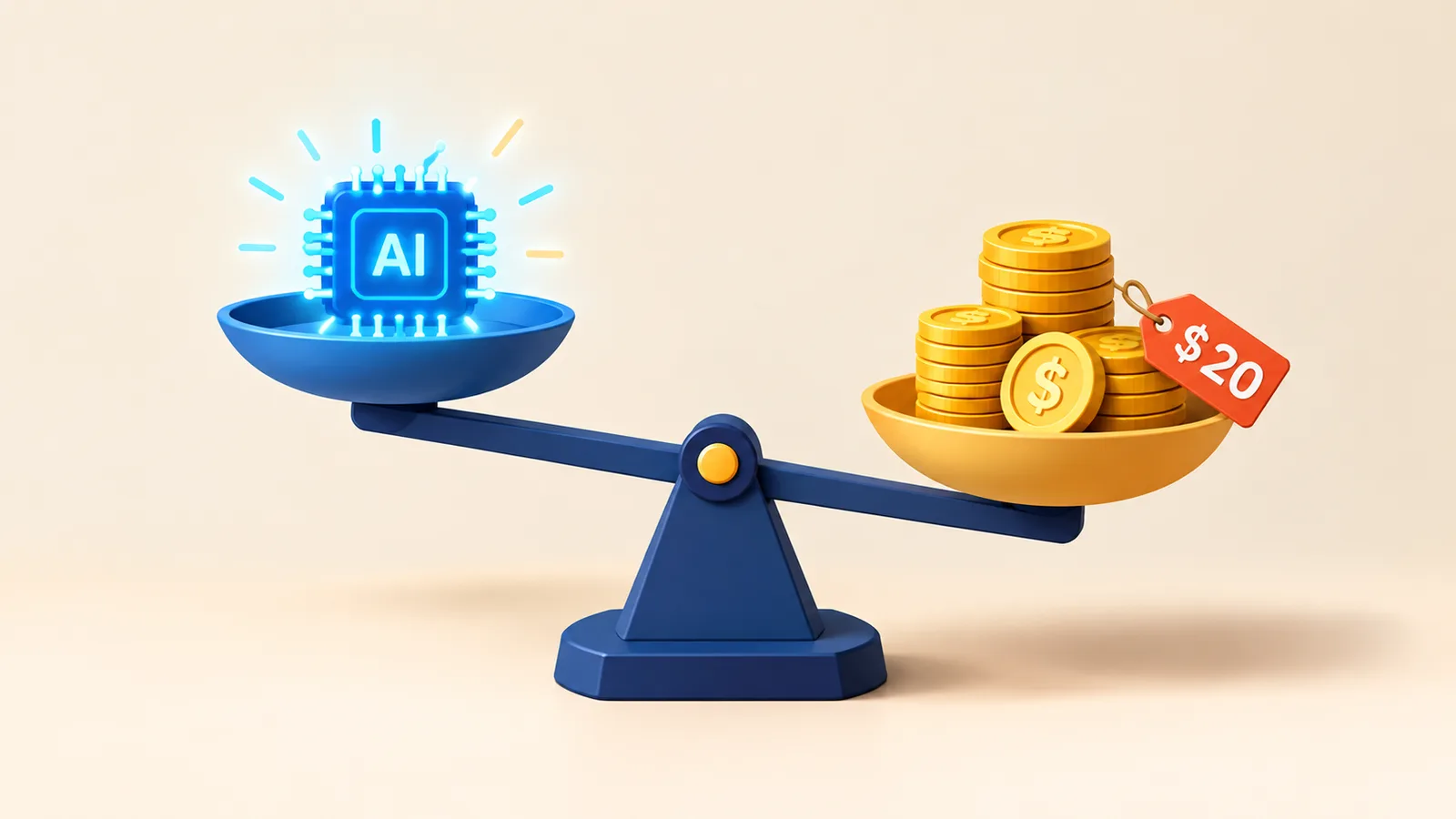
At the paid tier they're matched: $20 a month for Perplexity Pro, $20 for ChatGPT Plus, with ChatGPT adding a cheaper $8 Go tier and both selling pricier Max and Pro plans above. Two differences matter for everyday users. First, Perplexity Pro lets you pick which model answers, routing your question through the latest from OpenAI, Anthropic, or Google, which is genuinely useful and rare at the price. Second, the free tiers diverge on ads: Perplexity's stays clean, while ChatGPT's free plan now shows ads in some regions. Both free tiers are good enough for real use, so the honest move is to run both for free until one keeps hitting a wall, and only then decide which is worth paying for, or whether your work justifies both.
Who should pick which
Perplexity is the right call if most of your day is research: a student writing papers, a journalist checking facts, an analyst pulling current data, anyone who needs answers that are current and sourced. It's faster at that, cites better, and keeps your data more private. ChatGPT is the right call if most of your day is creating and reasoning: writing, planning, coding, making images, or just wanting one assistant that does a bit of everything well. Its search is good enough that for many people it removes the need for a second tool at all.
And if your work genuinely spans both, there's a real case for keeping each. They barely overlap in strength, the free tiers cost nothing, and the common professional setup is to research in Perplexity and create in ChatGPT, about $40 a month for the best of both. For where these sit among every other AI tool, our best AI tools guide has the full field, and our best AI chatbot comparison puts all six assistants side by side.
A few honest caveats
Both make things up. Each can deliver a wrong fact or a fake citation in a confident voice, so verify anything that matters regardless of which you use.
Perplexity is the smaller company. It's well funded and growing, but it's a specialist facing giants who are building search into their own products, and it carries unresolved copyright lawsuits, so it's a less certain long-term bet than the market leader.
The gap keeps shifting. ChatGPT's search keeps improving and Perplexity keeps adding features, so today's clean split could blur with the next update. Choose for the job in front of you, not for where either might be in a year.
What this comparison does not cover
This is a feature and value comparison, not a lab benchmark, and the picks reflect documented capabilities, current pricing, and independent evaluations as of June 2026, rather than hands-on testing by us. Model names, prices, browsers, and limits will move, so confirm the current details on each official page, and nothing here is professional advice. To go deeper on either tool, start with our Perplexity review or our how to use ChatGPT guide.
Sources
Frequently asked questions

Written by
Tapabrata Biswas
Tech Researcher
I test AI productivity tools and research home-automation gear the way most people use them. Not in a lab, but on an ordinary desk with an ordinary internet connection. The only test that matters: does it save you time?
Share the Post with Your Besties
Get the plain-English tech brief
One email a week on AI tools and smart-home tech. No jargon, no hype.