Is ChatGPT Plus Worth It in 2026? An Honest Breakdown
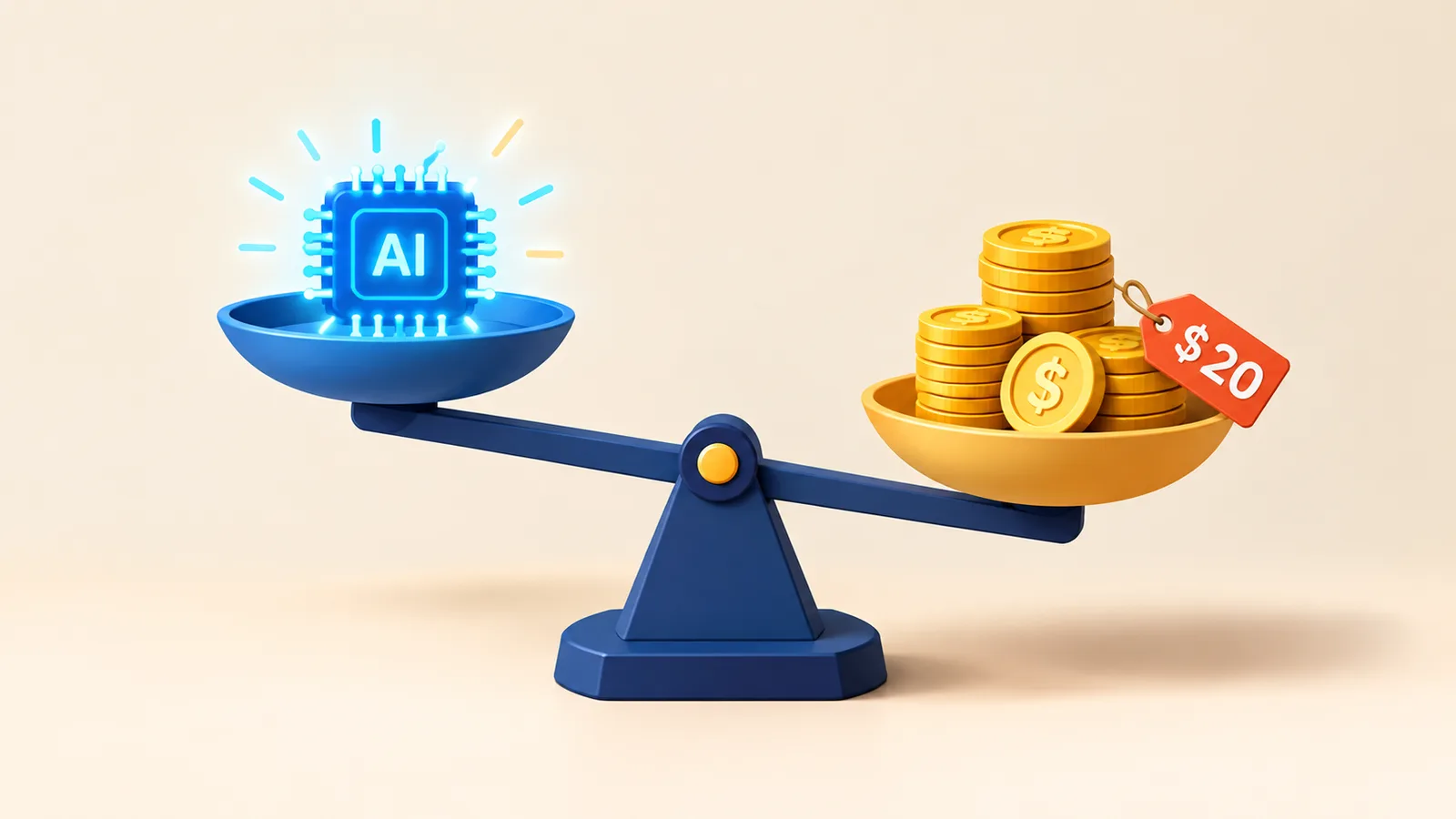
Is ChatGPT Plus worth $20 a month in 2026? An honest breakdown of Free vs Go vs Plus vs Pro, who should pay, and who's fine staying free.

Researched with AI assistance, reviewed and edited by Tapabrata Biswas.

In this article
- 01Is ChatGPT Plus worth it? The short answer
- 02What ChatGPT Plus actually adds over Free
- 03How good is the free version in 2026?
- 04Don't overlook ChatGPT Go
- 05Who should pay for Plus, and who shouldn't
- 06ChatGPT Plus vs Gemini vs Claude at $20
- 07The catch: what $20 doesn't fix
- 08What this post does not cover
- 09Sources
Roughly 900 million people use ChatGPT every week, and only about 50 million of them pay for it, per figures OpenAI shared in early 2026. That gap tells you most of what you need to know before you spend $20: the free version is good enough for the overwhelming majority, and paying only makes sense for a specific kind of user. This is about working out whether you're that user.
The honest version of the answer isn't yes or no, it's "it depends, and here's exactly on what." Prices and features here reflect OpenAI's plans as of August 2026, drawn from its own pricing pages and independent reviews rather than our own account, and ChatGPT's tiers change often, so confirm the current numbers on openai.com/pricing before you decide.
Is ChatGPT Plus worth it? The short answer
ChatGPT Plus is worth $20 a month if you use ChatGPT most days and either keep hitting the free plan's limits or actually use its paid-only tools, the smarter thinking model, Advanced Voice, Deep Research, coding in Canvas, and Sora video. If you ask a few questions a week, it isn't, and the free plan or the cheaper $8 Go plan covers you.
The cleanest way to decide takes a week. Every time ChatGPT shows you the "you've reached your limit" message, make a mental note. See it fewer than three times in seven days, and the free plan fits how you actually work. See it most days, and $20 buys back real time. That single number beats any feature list, because it measures your usage, not the marketing.
| Plan | Monthly price (2026) | What you get | Who it's for |
|---|---|---|---|
| Free | $0 | The current default model, web search, voice, and image generation with tight daily caps (and ads in some regions) | Casual, occasional users |
| Go | ~$8 (less in India) | More messages and uploads and fewer limits, but none of the advanced tools | Regular users who mainly want fewer limits |
| Plus | $20 | The smarter thinking model, much higher limits, Advanced Voice, Deep Research, Sora video, Agent mode, Canvas, Tasks, custom GPTs, and no ads | Daily users and professionals |
| Pro | $100 or $200 | Very high limits, top-tier models, unlimited image generation, and the largest context windows | Heavy power users and researchers |
| Business | ~$25/seat | Plus features for teams, with admin controls and data kept out of training | Small teams |
Monthly price (2026)
- Free
- $0
- Go
- ~$8 (less in India)
- Plus
- $20
- Pro
- $100 or $200
- Business
- ~$25/seat
What you get
- Free
- The current default model, web search, voice, and image generation with tight daily caps (and ads in some regions)
- Go
- More messages and uploads and fewer limits, but none of the advanced tools
- Plus
- The smarter thinking model, much higher limits, Advanced Voice, Deep Research, Sora video, Agent mode, Canvas, Tasks, custom GPTs, and no ads
- Pro
- Very high limits, top-tier models, unlimited image generation, and the largest context windows
- Business
- Plus features for teams, with admin controls and data kept out of training
Who it's for
- Free
- Casual, occasional users
- Go
- Regular users who mainly want fewer limits
- Plus
- Daily users and professionals
- Pro
- Heavy power users and researchers
- Business
- Small teams
What ChatGPT Plus actually adds over Free
ChatGPT Plus is the $20-a-month tier that raises the free plan's limits and unlocks the tools it holds back. The higher caps are the part most people feel first: far more messages a day, more file uploads, and more image generations, without the free tier's frequent "come back later" walls.
Then there's the feature gap, which is where the money really goes. Plus gives you the smarter reasoning or "thinking" model for hard problems, Advanced Voice for natural spoken conversations, Deep Research for cited multi-page reports, Sora for generating video inside ChatGPT, plus Agent mode, Canvas for writing and code, Tasks for scheduled jobs, and the ability to build your own custom GPTs. Plus also removes the ads that now show up on the free tier in some regions. If you never touch any of those, you're paying for headroom you won't use.
How good is the free version in 2026?
The free version of ChatGPT is genuinely capable in 2026, enough for everyday questions, drafting, summarizing, and quick help, running a current-generation model with web search, voice, image generation, and memory built in. For a lot of people that's the whole job, which is exactly why 19 in 20 users don't pay.
The trade-offs are real, though. You get tighter daily caps, so heavy sessions stop sooner. Some regions now see ads. And at busy times the free tier is first to get throttled or dropped to a lighter model. None of that matters much if you dip in a few times a week. It matters a lot if ChatGPT is part of your daily work.
Don't overlook ChatGPT Go
ChatGPT Go is the lower-cost middle tier, around $8 a month in the US and noticeably cheaper in markets like India, that sits between Free and Plus. It hands you more messages and higher limits than the free plan without the advanced tools, so it solves the single most common complaint, running out, for less than half the price of Plus.
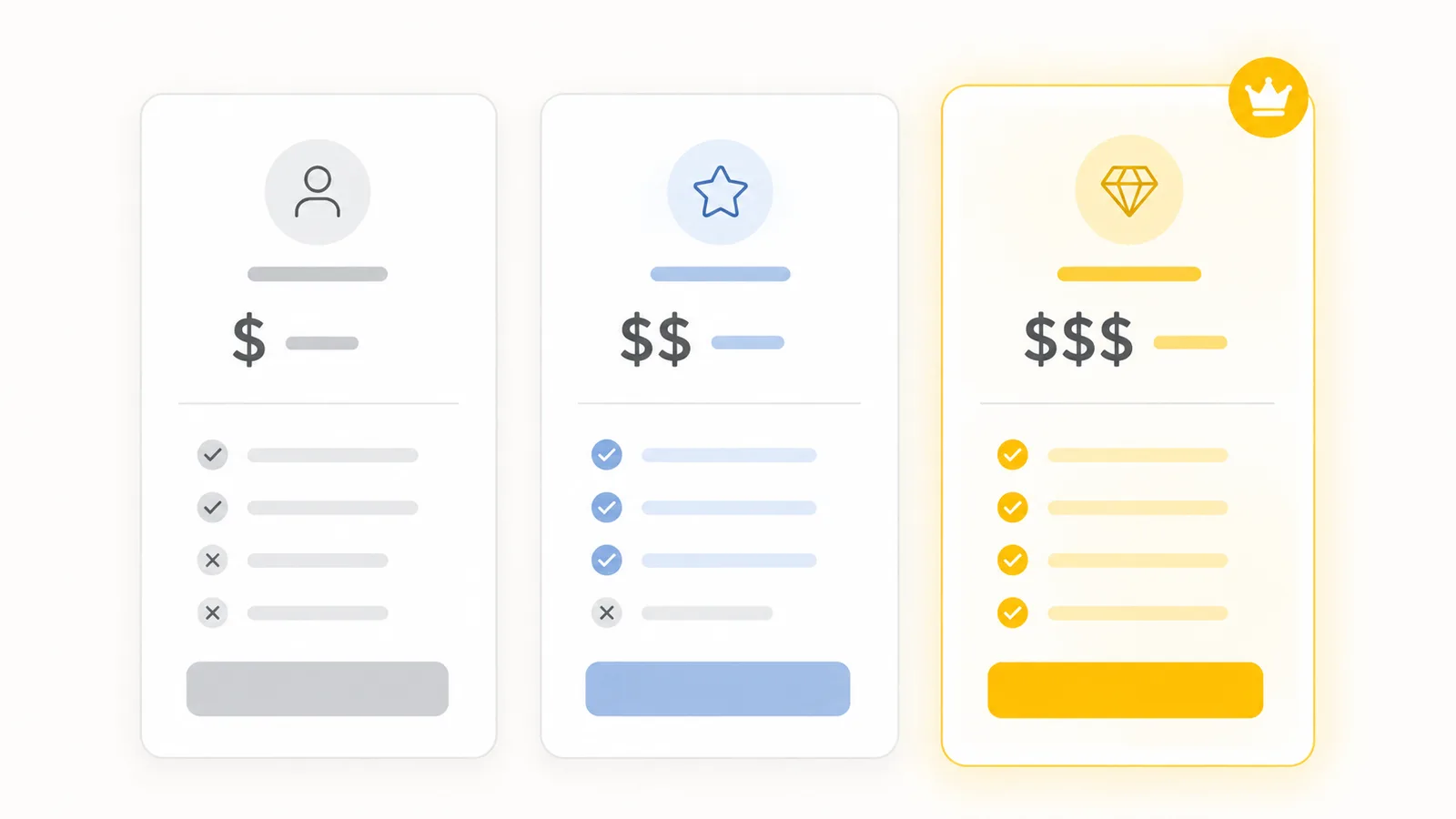
This reframes the real decision. For a big group of people the choice isn't Free versus Plus at all, it's Go versus Plus. If your only frustration is hitting message limits, Go fixes that for $8. If you specifically want Deep Research, Sora, Agent mode, or the thinking model, Go won't give them to you, and only then does the jump to Plus make sense.
Who should pay for Plus, and who shouldn't
Plus earns its $20 for daily and professional users, and wastes it for light ones. It's worth paying if you use ChatGPT most days for real work, if you rely on Advanced Voice, Deep Research, or coding help, or if you make images and video often enough that the free caps get in your way. For a freelancer, student in a heavy research stretch, or developer, the hours saved usually clear $20 fast.
Skip it, or downgrade, in three cases. If you're a casual user, the free plan is plenty. If your only pain is message limits, Go at $8 is the smarter buy. And if you already pay $20 for Gemini or Claude, a second general assistant rarely adds enough to justify doubling the spend. To put real numbers on your own case, our AI value calculator works out whether a $20 subscription pays for itself based on how much you'd actually use it, and the subscription vs API calculator helps if you're weighing pay-as-you-go instead.
ChatGPT Plus vs Gemini vs Claude at $20
ChatGPT Plus, Google Gemini's paid tier, and Anthropic's Claude Pro all cost about $20 a month, so the choice is about fit rather than price. ChatGPT is the broadest all-rounder with the biggest ecosystem of tools and custom GPTs. Gemini makes the most sense if you live inside Gmail and Google Docs and want its video generation bundled in. Claude is the pick many writers and developers reach for first, for its tone on long documents and its coding.
They're close enough that one is almost always enough. If you want the full comparison, we cover how ChatGPT compares to Gemini and Claude in detail, but the short version is: pick the one that fits your daily tools and don't pay for two without a specific reason.
The catch: what $20 doesn't fix
Paying for Plus solves the limits problem for most people, but it isn't magic, and two things are worth knowing before you subscribe. First, Plus is not truly unlimited: you can still hit caps on the heaviest models at peak times, and tools like Deep Research have their own monthly allowances. Only the $100 and $200 Pro tiers get close to unlimited.
Second, and this one people miss: by default OpenAI can use your Free and Plus chats to train its models, and you have to turn that off yourself in the data controls if you'd rather it didn't. Business and Enterprise plans keep your data out of training by default; the consumer tiers do not. It's a setting worth checking whichever plan you land on. And if you're still learning the ropes, getting more out of the free version is often a bigger win than upgrading.
What this post does not cover
This is a decision guide for the consumer plans, Free, Go, Plus, and Pro, not a full feature tutorial or a review of the API and Team or Enterprise tiers. If you're comparing pay-as-you-go API costs against a flat subscription, that's a different calculation, and it sits alongside the wider set of AI tools worth knowing about.
Pricing, model names, message limits, and which features live on which tier all change quickly at OpenAI, so treat the specifics here as current to August 2026 and confirm anything that matters on the official pricing page before you subscribe.
Sources
- ChatGPT pricing, OpenAI (the current consumer plans and prices)
- ChatGPT reaches 900 million weekly active users, TechCrunch, 27 February 2026 (users and paying-subscriber figures)
- What is ChatGPT Plus and how does it work, OpenAI Help Center (what the Plus tier includes)
- How your data is used to improve model performance, OpenAI Help Center (training-by-default and the opt-out)
Frequently asked questions

Written by
Tapabrata Biswas
Tech Researcher
I test AI productivity tools and research home-automation gear the way most people use them. Not in a lab, but on an ordinary desk with an ordinary internet connection. The only test that matters: does it save you time?
Share the Post with Your Besties
Get the plain-English tech brief
One email a week on AI tools and smart-home tech. No jargon, no hype.