
Best Smart Thermostat in 2026: How to Choose, and the Strongest Options
The best smart thermostats of 2026: what they really save, the five things that decide your pick, and the top option for each home.

Researched with AI assistance, reviewed and edited by Tapabrata Biswas.
In this article
Most smart thermostats promise to pay for themselves. The honest figure is smaller than the ads suggest, and the right pick depends less on the headline savings than on which voice assistant you use and whether your furnace has the right wiring.
Where these picks come from matters, so it is worth saying upfront: published specs, independent reviews, and owner feedback, not a unit we wired into a wall and tested ourselves. We don't own these models, and we earn nothing if you buy one. The aim is a straight read on which thermostat fits your home, trade-offs included.
$79.99 buys a capable smart thermostat in 2026. Around $280 buys the most advanced one. Neither is automatically the right answer, because the cheapest model and the smartest model suit very different homes, and the gap between them is mostly features you may never use.
What a smart thermostat does
A smart thermostat is a Wi-Fi-connected thermostat that adjusts your heating and cooling automatically, using a schedule, occupancy sensors, and your phone's location to avoid warming an empty house. That last part, knowing when you're home, is where most of the saving comes from.
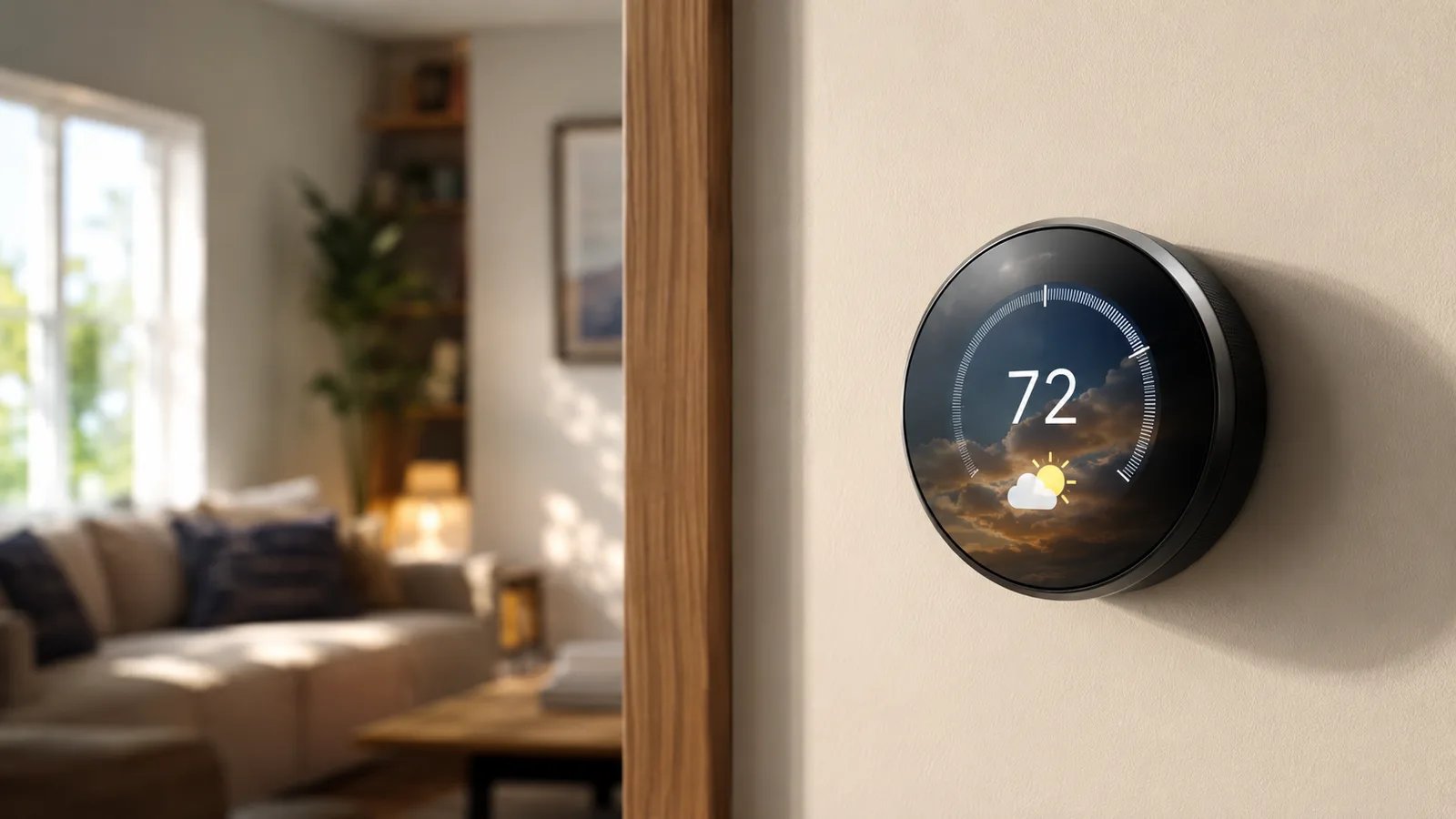
The older programmable thermostat made you set the schedule by hand. A smart one builds the schedule for you, or watches which rooms are in use, and lets you change it from your phone or by voice. The better ones also report where your energy goes, so you can see the real cost of that 72-degree living room in January.
Do they save money?
The number worth anchoring to is modest. ENERGY STAR puts the average saving at about 8 percent of heating and cooling costs, or roughly $50 a year, drawn from real household data rather than lab claims. Manufacturers quote higher figures, like the up-to-31-percent number Google cites for Nest, but those describe a best case against a poorly managed system, not a typical home.
Run the payback math and the picture sharpens. At $50 a year, an $80 Amazon Smart Thermostat covers its cost in under two years. A $250 Ecobee takes around five years at the same rate, sooner if your bills are high or your old thermostat ran around the clock. The savings are real, but they come back slowly over years rather than in a lump. One lever speeds it up: many US utilities offer rebates of $50 to $100 on ENERGY STAR thermostats, which can halve the effective price, so check your provider before paying full retail.
Who saves the most is fairly predictable. Homes with irregular schedules, where the heat gets left on all day, gain the most, as do homes happy to accept a wider temperature swing while everyone is out. A household that already turns the dial down at night will see less, since the thermostat is mostly automating a habit they had anyway. We went deeper on this in how home automation saves energy, where thermostats came out as the single biggest lever in the house.
How to choose: five questions that settle it
Picking the right smart thermostat comes down to five questions.
First, which ecosystem do you use? Apple HomeKit is the dividing line. Ecobee supports it, Nest does not, and that one fact settles the choice for a lot of iPhone households. If you live in Google Home or Alexa, almost everything works.
Second, do you want room sensors? A thermostat reads the temperature where it sits, usually a hallway. Sensors placed in the rooms you actually use, like a bedroom or office, let it balance comfort across the house. Ecobee and the Honeywell T9 lead here, while Nest sells its sensors separately.
Third, does your home have a C-wire? This is the common wire that gives a smart thermostat steady power. Many homes have one, plenty of older ones don't, and a thermostat starved of power tends to drop offline. Ecobee includes an adapter in the box, which quietly removes the most common installation headache.
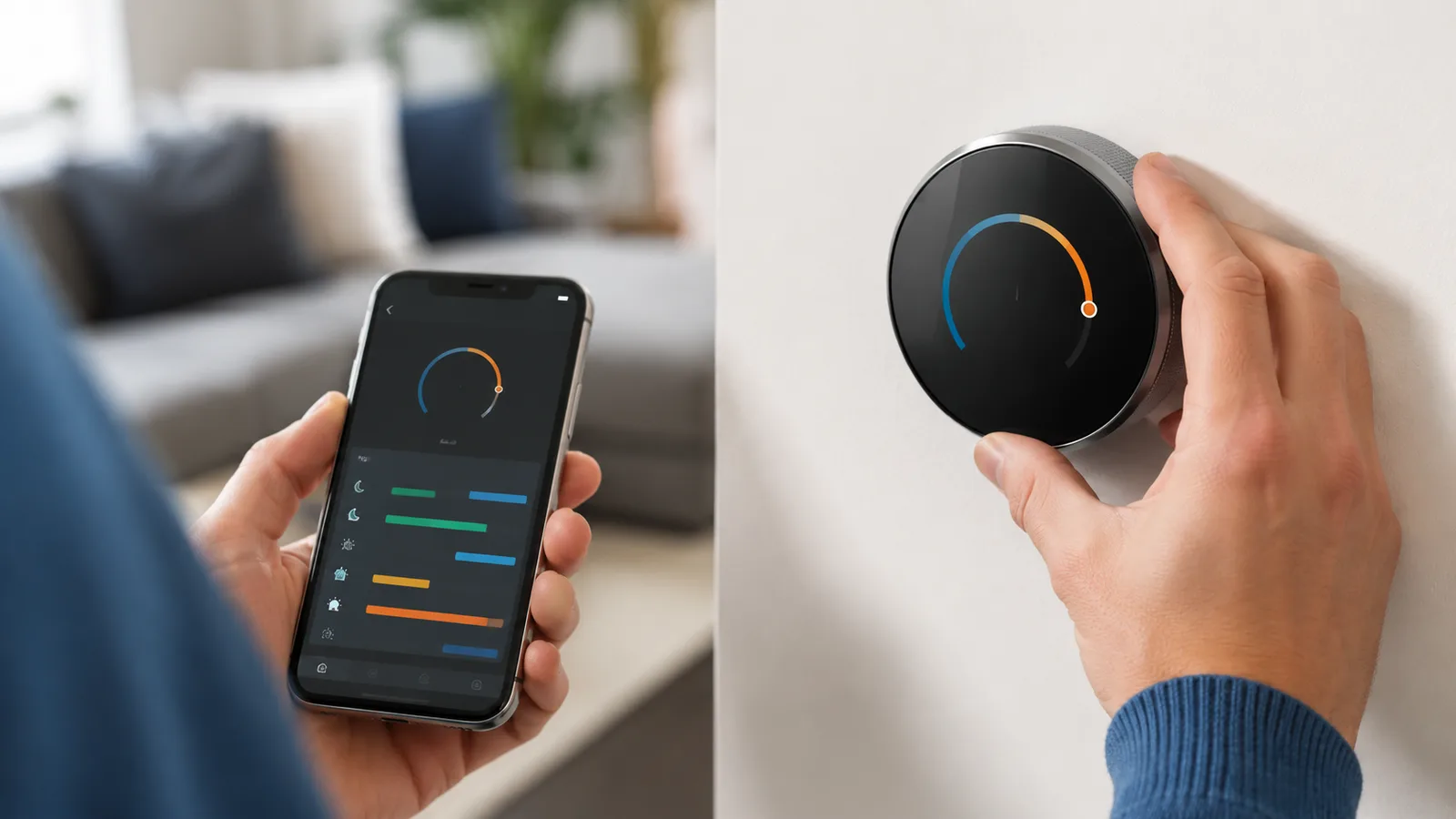
Fourth, do you want it to think for you? Nest learns your habits and builds the schedule on its own. Ecobee and Honeywell lean on schedules plus sensors, which keeps you in more direct control. Neither approach is wrong; they suit different temperaments.
Fifth, price, and the payback it implies. A cheaper unit reaches break-even faster, while a premium one earns its price through comfort features more than raw savings.
The comparison at a glance
The table maps the main 2026 options against those questions. Prices are approximate US figures and move with sales.
| Thermostat | Best for | Ecosystems | Room sensor | Learns your schedule | Approx price |
|---|---|---|---|---|---|
| Ecobee Smart Thermostat Premium | Most homes, every ecosystem | HomeKit, Google, Alexa, SmartThings, Matter | Included | Partly, sensors plus schedule | $250 |
| Nest Learning Thermostat (4th gen) | Hands-off automation, Google homes | Google, Alexa, Matter (no HomeKit) | Sold separately | Yes, automatic | $280 |
| Amazon Smart Thermostat | Budget, Alexa homes | Alexa | No | No, app schedule | $80 |
| Honeywell Home T9 | Large or uneven homes | Google, Alexa | Included, up to 20 | No, schedule plus sensors | $150 |
| Nest Thermostat (base) | Budget Google or Matter homes | Google, Alexa, Matter (no HomeKit) | Sold separately | Light, suggested schedule | $130 |
The strongest options
Once you know your ecosystem and your wiring, the pick narrows fast. The main options sort out by use case, and the independent reviews mostly agree on the standouts.
The Ecobee Smart Thermostat Premium is the safest choice for most homes. It ships with a room sensor in the box, works with HomeKit, Google Home, Alexa, SmartThings, and Matter at the same time, and includes the C-wire adapter most installs need. Wirecutter named it the best smart thermostat for 2026, noting it held a comfortable temperature more reliably than any other model it tested. At around $250 it isn't cheap, but it asks the fewest compromises.
If your home runs on Google and you want the thermostat to do the thinking, the Nest Learning Thermostat (4th gen) is the one. It learns your routine and adjusts on its own, and its Soli radar wakes the display as you walk up to it. The catch is no Apple HomeKit support, so iPhone-centric households should look at Ecobee instead. It lists around $280 and often sells for less.
On a budget, the Amazon Smart Thermostat does the core job for about $80, controlled through the Alexa app and built on Honeywell's tested hardware. It skips the learning and the sensors, but for a single-zone Alexa home it is the fastest payback on this list.
For a larger home with rooms that never feel the same, the Honeywell Home T9 is built around its sensors, which track presence and can cover up to twenty zones. It runs about $150 with one sensor and aims heating at the rooms people occupy rather than an empty hallway. If your problem is a cold back bedroom, this is the design that addresses it.
Households that want Google's ecosystem without the Learning price can take the standard Nest Thermostat at about $130. It drops the automatic learning for a simpler suggested schedule and supports Matter, which makes it an easy entry point.
A note on Matter and Thread
One point of confusion is worth clearing up, especially if you have been reading about smart-home hubs. Almost every smart thermostat is a Wi-Fi device, and the ones that speak Matter, like the Nest and Ecobee models, do so over Wi-Fi, not Thread. A thermostat does not need a Thread border router, and you don't need a dedicated hub to run one. Matter here just means the thermostat can appear in more than one app at once, which is how an Ecobee shows up in both Apple Home and Google Home. If you are still choosing the rest of your setup, our guide to the best Matter smart hub covers where a hub does and doesn't earn its place.
What to check before you buy
A few practical details trip buyers up, and all of them are easy to check first. Start with your system type: most smart thermostats only work with low-voltage (24V) heating and cooling, not the high-voltage line that powers electric baseboard heaters, so confirm yours before anything else. The C-wire comes up most: confirm your current thermostat has one, or choose a model like Ecobee that includes an adapter, or the unit may keep dropping offline. The HomeKit gap matters if your home runs on Apple, because Nest doesn't support HomeKit while Ecobee does, and Matter doesn't fully close that gap for every feature. And the savings numbers on the box mark a best case, so size your budget against the ENERGY STAR figure of about $50 a year, well below the up-to-31-percent headline.
What this post does not cover
- Hands-on lab testing or our own measurements (this is a research-based guide)
- Professional HVAC or heat-pump system advice (check a licensed installer for wiring or compatibility)
- Step-by-step installation for a specific model
Sources
Frequently asked questions

Written by
Tapabrata Biswas
Tech Researcher
I test AI productivity tools and research home-automation gear the way most people use them. Not in a lab, but on an ordinary desk with an ordinary internet connection. The only test that matters: does it save you time?
Share the Post with Your Besties
Get the plain-English tech brief
One email a week on AI tools and smart-home tech. No jargon, no hype.